
Study and careerTasting & aromas
Blind tasting: which wines to practise for the exam
The classic wines that sommelier blind tasting exams are built on, how to compare them, and a daily routine to build your palate.

Alper Billik · Advanced Sommelier
Updated October 2026 · 4 min read · Edited with AI
This article may contain affiliate links.
On this page
The short answer: practise the classics. Sommelier exams use benchmark wines that show their grape and place clearly: Chablis, Sancerre, Mosel Riesling, Barolo, Rioja, Napa Cabernet, Northern Rhône Syrah. You are far more likely to meet a Left Bank Bordeaux than a wine from a rare grape. Taste those classics side by side, again and again, with the same grid every time.
I passed WSET Level 3 in 2013, the Court's Certified Sommelier exam in 2014 and the Advanced Sommelier exam in 2019, and each one had a blind tasting. Here is the list to practise and a method to follow.
What the exams ask
- Certified Sommelier (Court of Master Sommeliers): two wines tasted blind, answered on a tasting grid, alongside theory and service. Pass mark 60% in each part.
- Advanced Sommelier: six wines tasted blind in 25 minutes. Pass mark 60%.
- WSET: tasting is written up with WSET's own Systematic Approach to Tasting (SAT).
- The goal is the same: describe what is in the glass, then reason your way to grape, country, climate and age. See the step-by-step tasting guide.
The classic wines to practise
This is the list of classic grape markers the Court of Master Sommeliers Europe gives its candidates. Build your tasting plan from it.
| Grape | Classic examples |
|---|---|
| Cabernet Sauvignon | Left Bank Bordeaux, California, South Australia |
| Merlot | Right Bank Bordeaux, California, Australia |
| Cabernet Franc | Loire Valley |
| Pinot Noir | Côte de Nuits, Côte de Beaune, California and Oregon, New Zealand |
| Gamay | Beaujolais |
| Syrah / Shiraz | Northern Rhône, South Australia |
| Grenache blend | Southern Rhône |
| Nebbiolo | Piedmont |
| Sangiovese | Tuscany |
| Corvina blend | Amarone |
| Tempranillo | Rioja |
| Malbec | Argentina |
| Zinfandel | California |
| Carmenère | Central Valley, Chile |
| Chardonnay | Chablis, Côte de Beaune, California, Australia |
| Sauvignon Blanc | Loire Valley, New Zealand |
| Riesling | Germany, Alsace, Australia |
| Chenin Blanc | Loire Valley, New World |
| Sémillon | Bordeaux, Sauternes, Australia |
| Viognier | Rhône, California |
| Gewürztraminer, Muscat, Pinot Gris | Alsace (and Italy for Muscat and Pinot Grigio) |
| Grüner Veltliner | Wachau |
| Albariño | Rías Baixas |
| Melon | Muscadet |
| Marsanne, Torrontés, Assyrtiko | Rhône, Argentina, Santorini |
- Cabernet Sauvignon
- Classic examplesLeft Bank Bordeaux, California, South Australia
- Merlot
- Classic examplesRight Bank Bordeaux, California, Australia
- Cabernet Franc
- Classic examplesLoire Valley
- Pinot Noir
- Classic examplesCôte de Nuits, Côte de Beaune, California and Oregon, New Zealand
- Gamay
- Classic examplesBeaujolais
- Syrah / Shiraz
- Classic examplesNorthern Rhône, South Australia
- Grenache blend
- Classic examplesSouthern Rhône
- Nebbiolo
- Classic examplesPiedmont
- Sangiovese
- Classic examplesTuscany
- Corvina blend
- Classic examplesAmarone
- Tempranillo
- Classic examplesRioja
- Malbec
- Classic examplesArgentina
- Zinfandel
- Classic examplesCalifornia
- Carmenère
- Classic examplesCentral Valley, Chile
- Chardonnay
- Classic examplesChablis, Côte de Beaune, California, Australia
- Sauvignon Blanc
- Classic examplesLoire Valley, New Zealand
- Riesling
- Classic examplesGermany, Alsace, Australia
- Chenin Blanc
- Classic examplesLoire Valley, New World
- Sémillon
- Classic examplesBordeaux, Sauternes, Australia
- Viognier
- Classic examplesRhône, California
- Gewürztraminer, Muscat, Pinot Gris
- Classic examplesAlsace (and Italy for Muscat and Pinot Grigio)
- Grüner Veltliner
- Classic examplesWachau
- Albariño
- Classic examplesRías Baixas
- Melon
- Classic examplesMuscadet
- Marsanne, Torrontés, Assyrtiko
- Classic examplesRhône, Argentina, Santorini
Start with the wines your exam level lists most often. For the Certified grid, the red boxes include Gamay, Pinot Noir, Cabernet Sauvignon/Franc, Merlot/Malbec, Syrah, Zinfandel, Nebbiolo, Sangiovese, Tempranillo and Grenache. See what the Certified practical exam is.
Compare, don't just taste
Taste in pairs. Put two wines next to each other and ask what separates them:
- Close cousins: Left Bank against Right Bank Bordeaux; Chablis against Côte de Beaune Chardonnay; Sancerre against Marlborough Sauvignon Blanc; Barolo against Brunello.
- Same grape, two climates: Mosel Riesling against Clare Valley; Côte de Nuits Pinot Noir against Oregon.
- Opposites: a Burgundy Pinot Noir against a Mendoza Malbec. It sounds odd, but big contrasts teach you what colour, tannin and fruit really mean.
A daily routine
- Taste every day. Little and often beats one long weekend session.
- Taste blind with others: a colleague or study partner pours, you call it, then you talk it through together.
- One grid, every time. Learn the grid until it is automatic, so your brain is free to think. Print my deductive tasting grid, one sheet per wine.
- Write it down. A note for every wine: sight, nose, palate, conclusion, and what you got wrong.
- Repeat the classics. The fifth Chablis teaches you more than the first.
Getting the wines without a fortune
- Ask suppliers for samples of the classics and for invitations to their trade tastings.
- Share bottles with a study group, so each person brings one classic.
- Keep bottles open longer. A Coravin pours through the cork, so one bottle lasts many sessions. See Coravin models on Amazon, or read the Coravin Sparkling review.
Theory and confidence
Blind tasting is theory you can taste. If you know that Chablis is cool and unoaked, that Rioja often shows American oak, that Barolo has high tannin and high acid with a pale colour, the glass starts to talk. The other half is trust: when your grid says high acid and low tannin, believe it, even when your first guess says otherwise. That only comes from repetition.
Questions people ask
How many wines are in the Certified Sommelier blind tasting?
Two: one white and one red, tasted blind and answered on the Court's tasting grid.
How many wines are in the Advanced Sommelier tasting?
Six wines tasted blind in 25 minutes, according to the Court of Master Sommeliers Europe.
Which wines come up most in blind tasting exams?
Classic, typical wines: Bordeaux, Burgundy, Chablis, Sancerre, Mosel Riesling, Barolo, Chianti, Rioja, Northern Rhône Syrah, Napa Cabernet and similar benchmarks. Rare grapes are unlikely.
How many wines should I taste to prepare?
As many as you can, with the same method every time. The Court's own advice is to taste hundreds, even thousands, of wines a year.
Your exam kit
Where to study for your exam
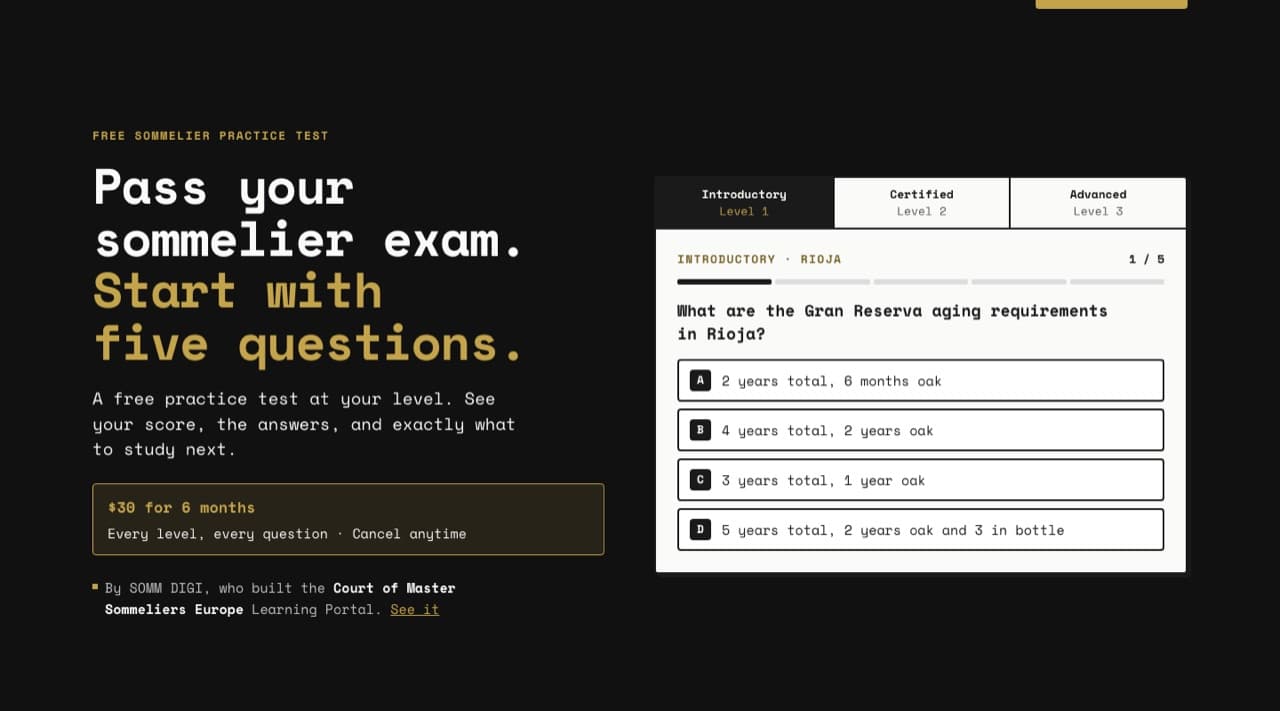
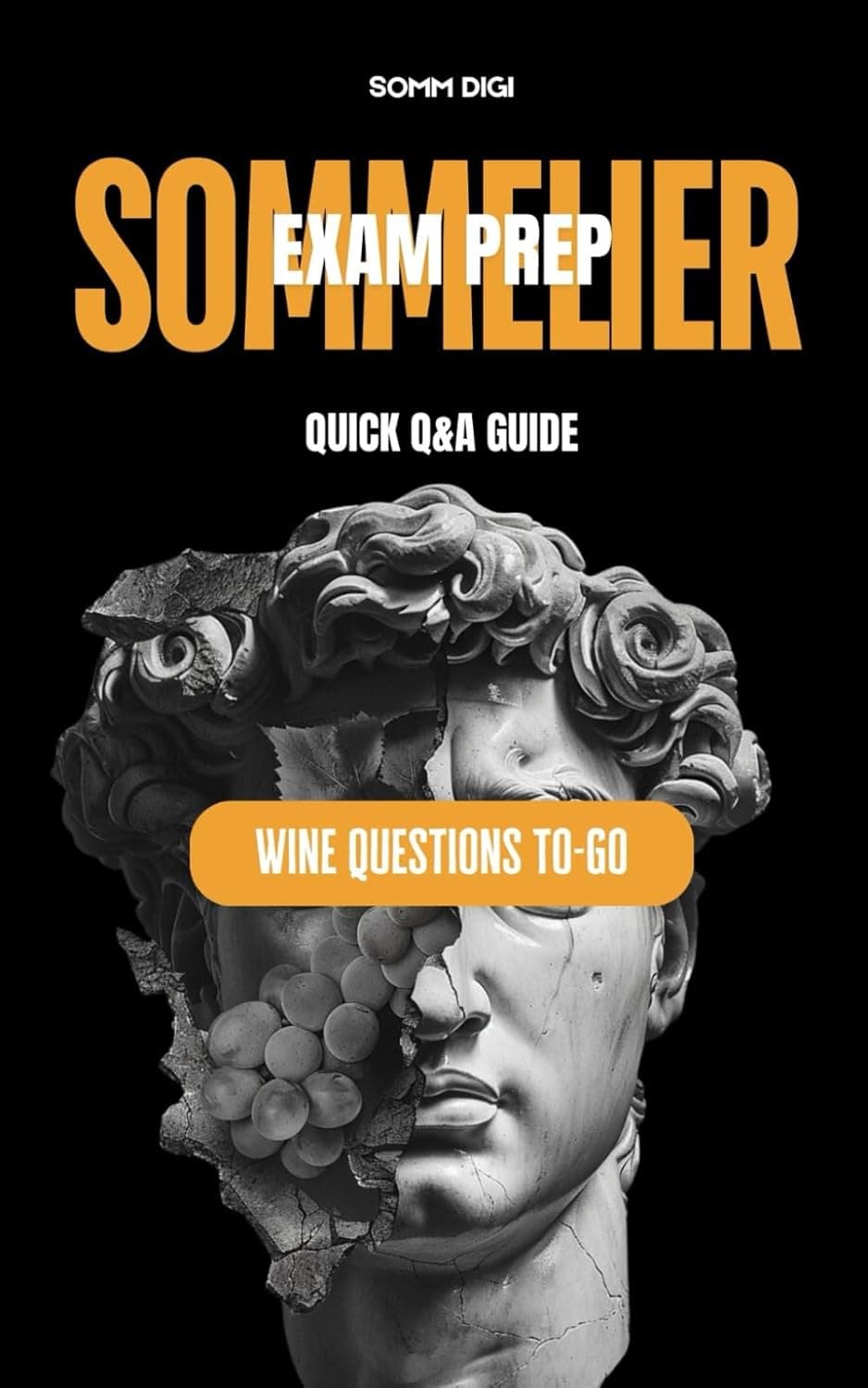 My book · AmazonSommelier Prep BookQuick questions and answers for a break at work.Order on Amazon
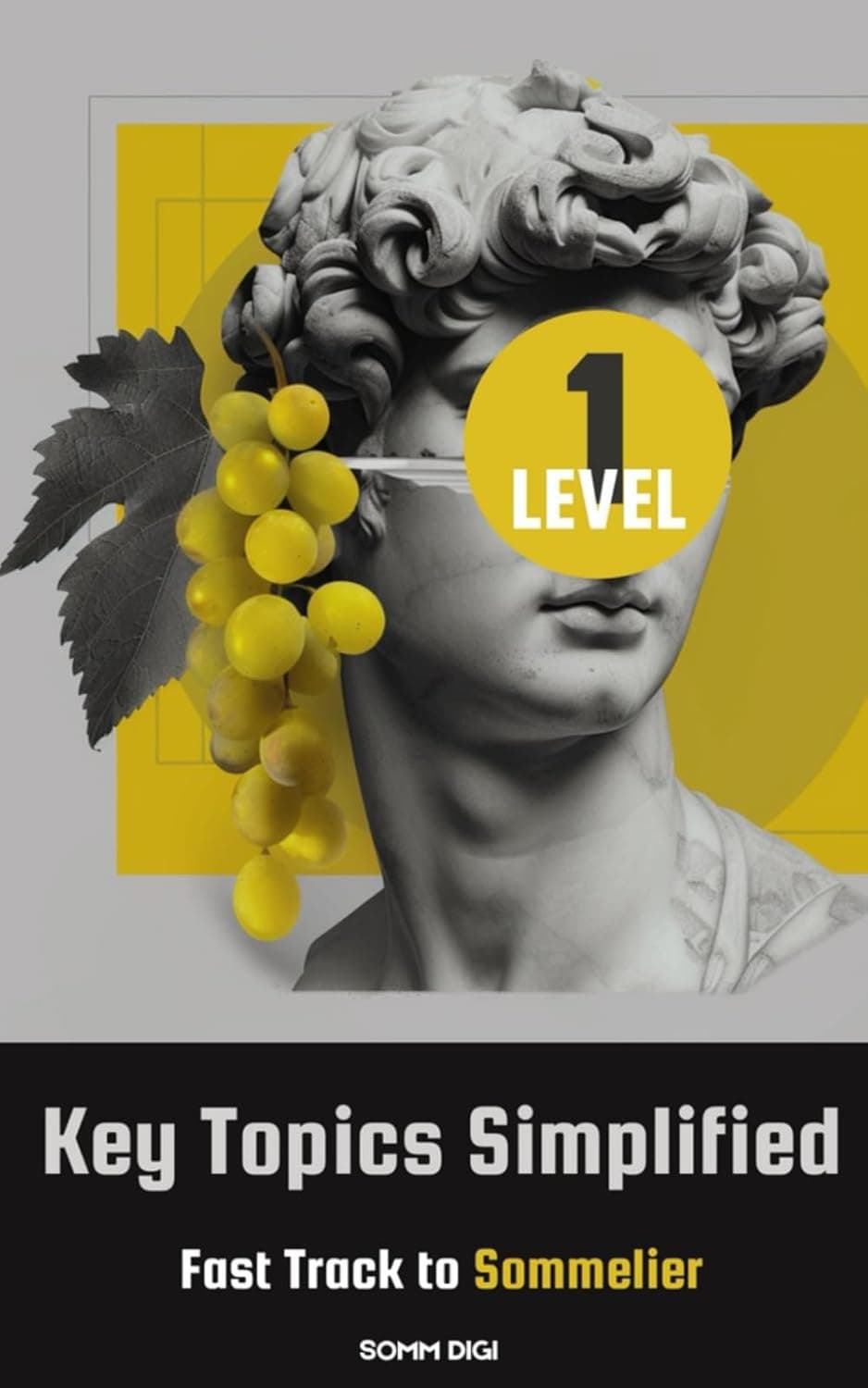 My book · AmazonSommelier Level 1 Prep BookLevel 1's key topics in one small book you can carry anywhere.Order on Amazon
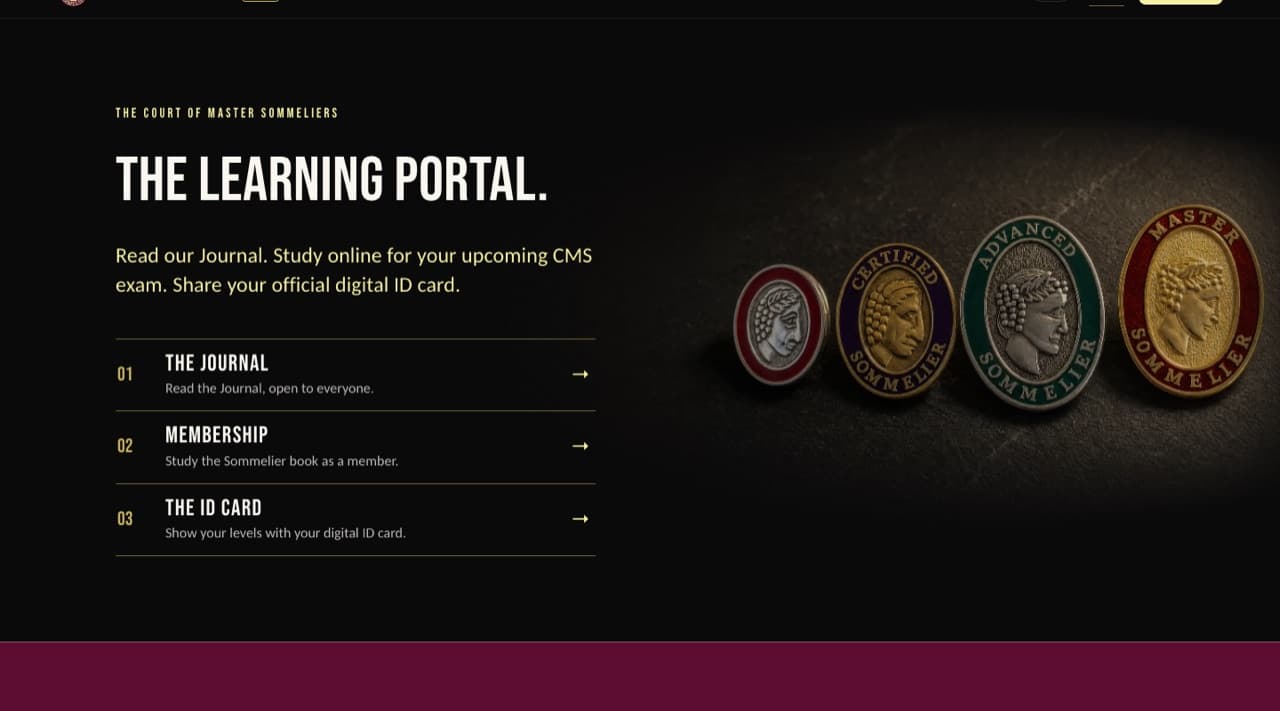
SOMM DIGI built the Court of Master Sommeliers Europe’s Learning Portal, and SOMM DIGI AI. Who is behind this
For sommeliers · next steps