
Study and careerSpirits, beer & saké
Beer and cider for the Level 1 exam
How beer is brewed, the words the Court asks for (wort, liquor, copper, stillage), ales and lagers, cask conditioning, how cider and perry are made, and a seven-question quiz.

Alper Billik · Advanced Sommelier
Updated October 2026 · 5 min read · Edited with AI
This article may contain affiliate links.
On this page
The short answer: for Level 1, learn the four ingredients of beer, the brewing steps with their equipment and terms, the main beer types, how beer is conditioned and served from the cask, and how cider and perry are made. A sommelier is responsible for everything in the glass, beer included.
The four ingredients
- Malt: barley (sometimes wheat or other grain) that has been soaked, allowed to sprout and then dried in a kiln. Malting creates the enzymes that turn starch into sugar. Pale malts give pale beers; roasted malts give the colour and coffee notes of porter and stout.
- Liquor: the brewer's word for brewing water. Its minerals shape the style; the hard water of Burton upon Trent is famous for pale ales.
- Hops: the flowers (cones) of the hop plant. They give bitterness, aroma and help preserve the beer. Bittering hops go in early in the boil; aroma hops go in late, or after fermentation (dry hopping). Hops are used as whole cones, pellets or extract.
- Yeast: turns sugar into alcohol and carbon dioxide, and adds its own flavours.
How beer is brewed
- Milling: the malt is crushed into grist.
- Mashing: grist and hot liquor are mixed in the mash tun. The malt's enzymes turn starch into sugar. The sugary liquid is sweet wort.
- Lautering (sparging): the wort is run off and the grain rinsed, in the mash tun or a separate lauter tun.
- Boiling: the wort is boiled with hops in the copper (the brew kettle). Now it is bitter (hopped) wort. The boil sterilises it and extracts hop bitterness.
- Cooling and fermentation: the wort is cooled and yeast is added in the fermenting vessel.
- Conditioning: the beer matures, clears and gains its natural carbonation, in tank, cask or bottle.
- Packaging: keg, bottle, can or cask.
Ale or lager: it is the yeast
| Ale | Lager | |
|---|---|---|
| Yeast | Top-fermenting | Bottom-fermenting |
| Fermentation | Warmer, faster | Cooler, slower, then cold storage (lagering) |
| Typical taste | Fruity, rounder, more yeast character | Clean, crisp |
| Examples | Pale ale, IPA, bitter, porter, stout, Weissbier | Pilsner, Helles, Märzen, Bock |
- Yeast
- AleTop-fermenting
- LagerBottom-fermenting
- Fermentation
- AleWarmer, faster
- LagerCooler, slower, then cold storage (lagering)
- Typical taste
- AleFruity, rounder, more yeast character
- LagerClean, crisp
- Examples
- AlePale ale, IPA, bitter, porter, stout, Weissbier
- LagerPilsner, Helles, Märzen, Bock
The beer types on the syllabus
- Ales: pale ale, bitter, India Pale Ale (IPA: hoppier and usually stronger).
- Lager: pale, crisp Pilsner (from Plzeň, Czech Republic), plus amber and dark lagers.
- Porter: a dark ale from 18th-century London, made with roasted malt.
- Stout: grew out of strong ("stout") porter; dark and roasty. Dry Irish stout uses roasted barley.
- Weissbier (Weizen): German wheat beer with a large share of malted wheat and a special yeast that gives banana and clove notes. Hefeweizen is cloudy with yeast; Kristallweizen is filtered.
- Fruit beers: fruit added to the beer, as in Belgian kriek (cherry) and framboise (raspberry), often on a lambic base. More Belgian styles in Trappist beer.
Conditioning, pasteurisation and the cask
Most keg, bottled and canned beer is filtered, carbonated and often pasteurised (heated to kill yeast and bacteria) so it stays stable. Bottle-conditioned beer has live yeast and a little sugar added, so it carbonates in the bottle.
Cask-conditioned beer ("real ale") is unfiltered and unpasteurised: it finishes its fermentation in the cask in the pub cellar. The terms to know:
- Stillage: the rack or frame the cask rests on, tilted slightly, so the sediment settles and stays still.
- Venting: a porous soft spile is knocked into the shive (the hole on top) to let excess carbon dioxide escape; a hard spile later closes it to keep the condition.
- Tapping: the tap is driven into the keystone at the end of the cask so the beer can be drawn.
- Finings: clarifying agents that help the yeast drop out so the beer pours bright.
Cider and perry
Cider is fermented apple juice. The apples are milled into a pulp (pomace), pressed, and the juice is fermented, traditionally by its own wild yeasts. Cider makers sort apples by acidity and tannin:
| Apple type | Acidity | Tannin |
|---|---|---|
| Sweet | Low | Low |
| Sharp | High | Low |
| Bittersweet | Low | High |
| Bittersharp | High | High |
- Sweet
- AcidityLow
- TanninLow
- Sharp
- AcidityHigh
- TanninLow
- Bittersweet
- AcidityLow
- TanninHigh
- Bittersharp
- AcidityHigh
- TanninHigh
- Traditional: whole juice from cider apples, slow natural fermentation, sometimes aged in wood. Keeving, used in Normandy and parts of England, starves the yeast so fermentation stops early and natural sweetness stays.
- Commercial: often made from concentrate or dessert apples, diluted with water, fermented with cultured yeast, then sweetened, filtered, carbonated and pasteurised.
- Perry (poiré in France) is made the same way from perry pears, which are higher in tannin than eating pears. Some ciders also include pears.
- Cider types: still or sparkling; dry, medium or sweet; farmhouse; bottle-conditioned; French cidre (Normandy, Brittany) and Spanish sidra (Asturias).
Quiz: beer and cider
Level 1 practice test
Take it as a real test
7 questions, one at a time. The answer and why after each one, then your score and your weakest topics.
Question 1
In brewing, what is "liquor"?
- a)The finished beer
- b)Brewing water
- c)The hop extract
- d)Distilled spirit
Show answerAnswer
b) Brewing water. Brewers call their water liquor.
Question 2
Where is the wort boiled with hops?
- a)Mash tun
- b)Copper
- c)Lauter tun
- d)Stillage
Show answerAnswer
b) Copper. The copper is the brew kettle; the mash tun is for mashing.
Question 3
Sweet wort becomes bitter wort when:
- a)Yeast is added
- b)Hops are boiled in it
- c)It is pasteurised
- d)It is lagered
Show answerAnswer
b) Hops are boiled in it. Boiling with hops makes hopped, bitter wort.
Question 4
Lager is fermented with:
- a)Top-fermenting yeast at warm temperatures
- b)Bottom-fermenting yeast at cool temperatures
- c)Wild yeast only
- d)No yeast
Show answerAnswer
b) Bottom-fermenting yeast at cool temperatures. Lager yeast works at the bottom of the vessel, cool and slow.
Question 5
What is a stillage?
- a)A cask rack
- b)A hop variety
- c)A cider press
- d)A type of stout
Show answerAnswer
a) A cask rack. The stillage holds the cask still so the sediment settles.
Question 6
An apple high in tannin and low in acidity is a:
- a)Sharp
- b)Sweet
- c)Bittersweet
- d)Bittersharp
Show answerAnswer
c) Bittersweet. Bittersweet apples are tannic with low acidity.
Question 7
Perry is made from:
- a)Apples
- b)Pears
- c)Wheat
- d)Honey
Show answerAnswer
b) Pears. Perry is fermented pear juice, ideally from perry pears.
Questions people ask
Is beer on the Level 1 sommelier exam?
Yes. The Court of Master Sommeliers' syllabus lists beer production, brewing terms, hops, the main beer types, conditioning, cask terms, and cider production and types for the Introductory level.
What is the difference between porter and stout?
Stout grew out of porter: it was first the name for a stronger porter. Today both are dark, roasty ales; stouts are often fuller, and dry Irish stout uses roasted barley.
What does cask-conditioned mean?
The beer is unfiltered and unpasteurised and finishes its fermentation in the cask, so it carbonates naturally and must be vented, settled on a stillage and tapped before serving.
Is cider made like wine?
Much like white wine: the fruit is crushed and pressed and the juice fermented. Cider apples bring the tannin and acidity that grapes bring to wine.
Your exam kit
Where to study for your exam
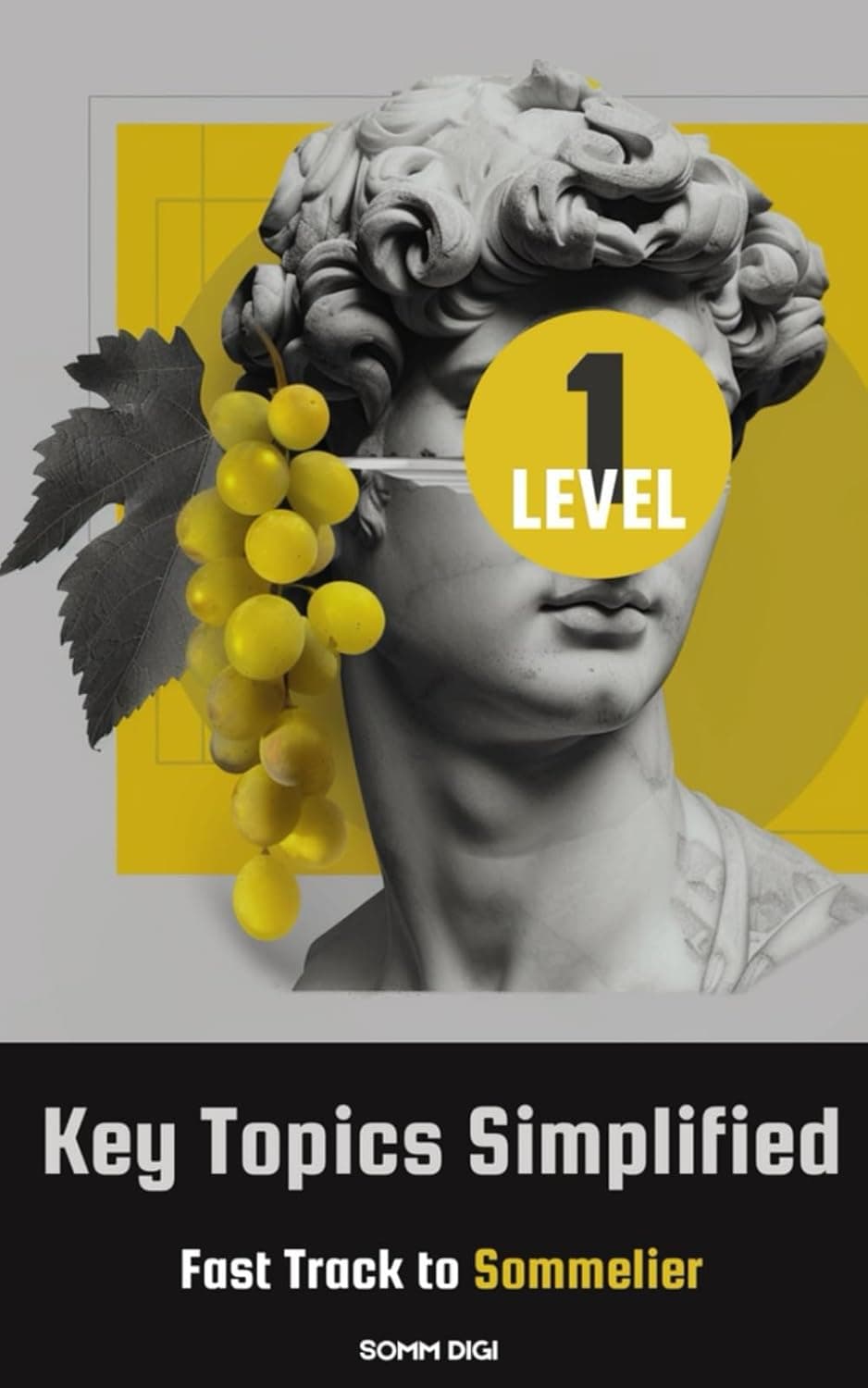 My book · AmazonSommelier Level 1 Prep BookLevel 1's key topics in one small book you can carry anywhere.Order on Amazon
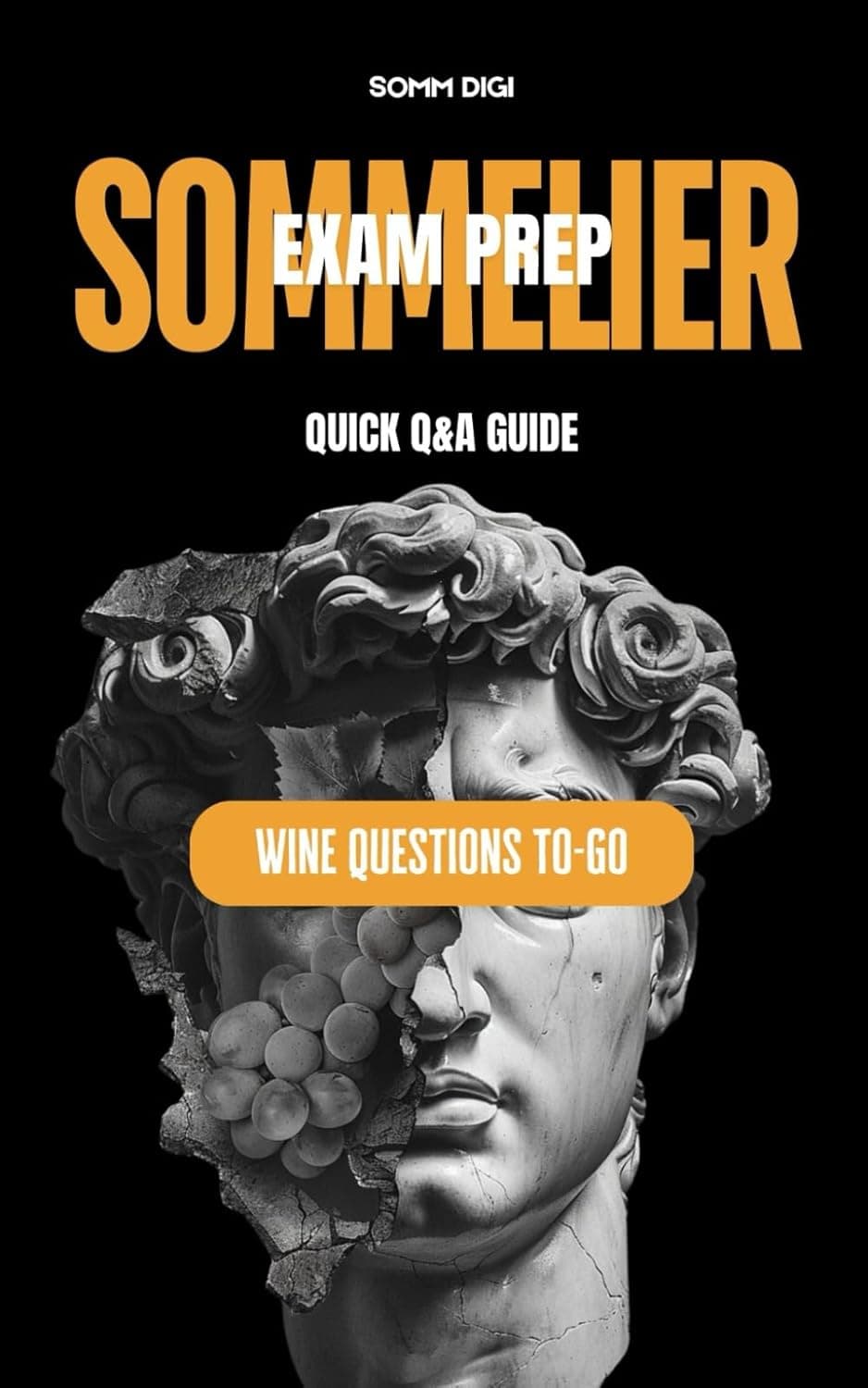 My book · AmazonSommelier Prep BookQuick questions and answers for a break at work.Order on Amazon
SOMM DIGI built the Court of Master Sommeliers Europe’s Learning Portal, and SOMM DIGI AI. Who is behind this
For sommeliers · next steps