
Study and careerService & the floor
Code38 wine key review: a sommelier's honest take
The Code38 is the wine key many sommeliers dream of owning. What it is, the four models, what I like after years of service, and what to know before you spend this much on a corkscrew.
Updated October 2026
Rewritten by Alper Billik, Advanced Sommelier
3 min read
Every sommelier remembers their first real wine key. Mine went everywhere with me on the floor. Since I got my Code38, it is the one I reach for first. This is my honest review: what it is, what it does well, and when a cheaper opener is the better choice.
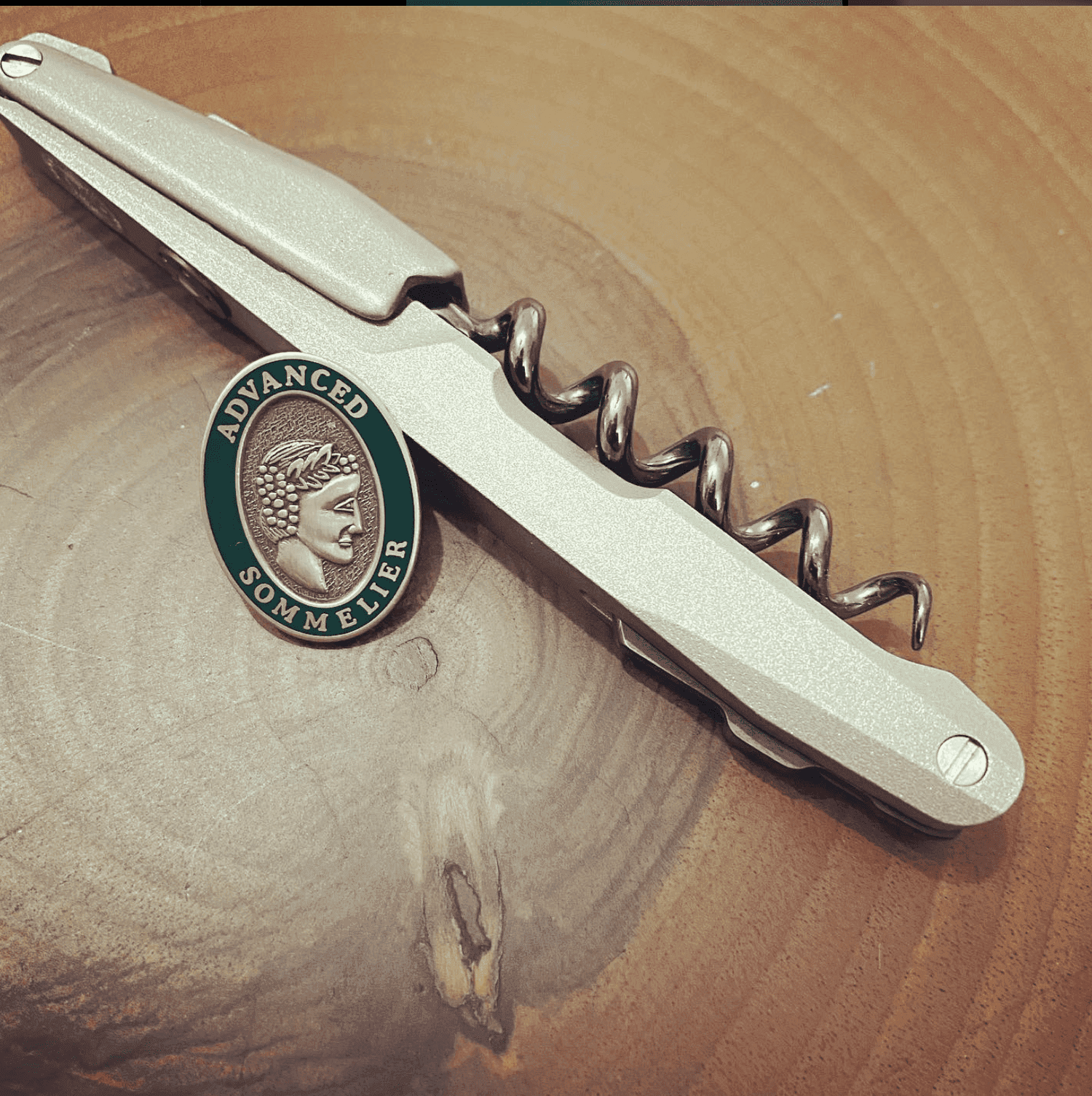
What the Code38 is
A waiter's friend, the folding wine key sommeliers carry, built like a precision tool. Code38 makes each one to order in Australia, in a solar-powered workshop in New South Wales. The body is milled from solid metal rather than stamped from sheet, which is why it feels so different in the hand.
The classic P-Type Pro is 119 mm long and weighs 110 g, with a stainless steel lifter, a conical-tapered helix (the screw) and a foil blade in 440C knife steel.
The four models
- P-Type Pro: the stainless steel original.
- P-Type Pro X: the same stainless body, with a black titanium-treated helix and blade.
- P-Type Titanium: a pure titanium body, lighter for its strength, with a titanium-coated helix and blade.
- P-Type Titanium X: a lighter, cut-out titanium body with a black titanium-coated blade.
What I like
- The weight and balance. It sits in the hand like a good chef's knife, so the pull is steady and quiet.
- The helix. It goes into the centre of the cork and grips, even on older corks that crumble with cheaper screws.
- The blade. It cuts the foil cleanly below the lip in one turn, which is how a bottle should look at the table.
- It lasts. Cheap wine keys loosen and bend within months of daily service. This one doesn't.
What to know before you buy
- The price. The P-Type Pro sells for around US$365, and the titanium models cost more. Prices vary by country and retailer.
- You will be scared of losing it. Wine keys disappear on busy floors. Some sommeliers keep the Code38 for special service and a cheap key for the rush.
- Never put it in hand luggage. The blade won't pass airport security.
- It is a waiter's friend. For very old, fragile corks, a two-prong Ah-So opener is still the safer tool.
Alternatives
A good double-lever waiter's friend opens the same bottles for a fraction of the price, and every sommelier should own one. For old vintages, an Ah-So slides down the sides of the cork and lifts it out whole. My SOMM DIGI Ah-So Wine Opener is made for bottles six years and older, and my guide site Ah-So Wine Opener explains how to use one.
Is the Code38 worth it?
If you open bottles every working day, yes: it is a tool for a decade, not a season, and it makes a small ritual feel right. If you open a bottle at home on weekends, a good double-lever key will serve you just as well, and the difference buys a lot of wine.
Questions people ask
Where is Code38 made?
In Australia. Each one is made to order in a solar-powered workshop in New South Wales.
How much does a Code38 cost?
The P-Type Pro sells for around US$365. The titanium models cost more. Prices vary by country and retailer.
Which Code38 should I buy?
The P-Type Pro is the classic. Choose a titanium model if you want it lighter, and an X model if you like the black finish.
Is a Code38 better than a normal waiter's friend?
It is better made and lasts longer. It doesn't open a bottle a cheap key can't; it opens it more smoothly, for many more years.
For sommeliers · next steps