
Study and careerRed grapes
Pinot Noir vs Cabernet Sauvignon: the differences, side by side
Light and silky or deep and firm? How Pinot Noir and Cabernet Sauvignon differ in taste, body, regions, food and ageing, and how to choose tonight.

Alper Billik · Advanced Sommelier
Updated October 2026 · 4 min read · Edited with AI
This article may contain affiliate links.
On this page
The short answer: Pinot Noir is lighter, paler and silkier, with red fruit, high acidity and soft tannins. Cabernet Sauvignon is deeper, darker and firmer, with blackcurrant, more tannin and more body. Pinot loves cool places; Cabernet needs warmth. Both are dry, and both can age beautifully.
Side by side
| Pinot Noir | Cabernet Sauvignon | |
|---|---|---|
| Skins | Thin | Thick |
| Colour | Pale ruby, you can see through it | Deep purple-ruby, nearly opaque |
| Body | Light to medium | Medium-plus to full |
| Tannin | Low to medium, silky | High, firm |
| Acidity | Medium-plus to high | Medium to high |
| Fruit | Red cherry, raspberry, strawberry | Blackcurrant (cassis), black cherry, blackberry |
| Other notes | Mushroom, forest floor, rose, spice | Cedar, tobacco, mint, green pepper, vanilla from oak |
| Climate | Cool | Moderate to warm |
| Oak | Usually gentle | Often more, often new |
| Classic home | Burgundy | Bordeaux's Left Bank |
| Serve at | About 14–16°C | About 16–18°C |
- Skins
- Pinot NoirThin
- Cabernet SauvignonThick
- Colour
- Pinot NoirPale ruby, you can see through it
- Cabernet SauvignonDeep purple-ruby, nearly opaque
- Body
- Pinot NoirLight to medium
- Cabernet SauvignonMedium-plus to full
- Tannin
- Pinot NoirLow to medium, silky
- Cabernet SauvignonHigh, firm
- Acidity
- Pinot NoirMedium-plus to high
- Cabernet SauvignonMedium to high
- Fruit
- Pinot NoirRed cherry, raspberry, strawberry
- Cabernet SauvignonBlackcurrant (cassis), black cherry, blackberry
- Other notes
- Pinot NoirMushroom, forest floor, rose, spice
- Cabernet SauvignonCedar, tobacco, mint, green pepper, vanilla from oak
- Climate
- Pinot NoirCool
- Cabernet SauvignonModerate to warm
- Oak
- Pinot NoirUsually gentle
- Cabernet SauvignonOften more, often new
- Classic home
- Pinot NoirBurgundy
- Cabernet SauvignonBordeaux's Left Bank
- Serve at
- Pinot NoirAbout 14–16°C
- Cabernet SauvignonAbout 16–18°C
Where each one comes from
Pinot Noir is an ancient grape from Burgundy, where it makes the great reds of the Côte d'Or. It is also one of the three main grapes of Champagne. Outside France, look to Oregon's Willamette Valley, California's Sonoma Coast and Santa Barbara, New Zealand's Central Otago and Martinborough, Germany (where it is called Spätburgunder) and Tasmania. It is famously hard to grow: thin skins, tight bunches, and a taste that changes with every slope. More on that in why Pinot Noir is a diva.
Cabernet Sauvignon is younger than you might think: DNA work at UC Davis in 1997 showed it is a cross of Cabernet Franc and Sauvignon Blanc. In Bordeaux it leads the blends of the Médoc and Graves. Elsewhere it often stands alone: Napa Valley, Washington State, Coonawarra and Margaret River in Australia, Chile's Maipo Valley, Stellenbosch, and Bolgheri in Tuscany. Its thick skins and late ripening need a long, warm season. More in Cabernet Sauvignon wines.
How they feel in the glass
This is where I would start with a guest, because the feeling matters more than the facts. Pinot Noir feels light, fragrant and gentle: it slides across the palate and leaves you wanting food. Cabernet feels structured and grippy: the tannin dries your gums a little and the wine fills your mouth. Neither is better. They answer different moods.
Food: which one with what
- Pinot Noir: roast chicken, duck, salmon and tuna, mushroom dishes, pork, charcuterie, Thanksgiving turkey.
- Cabernet Sauvignon: grilled steak, lamb, braised beef, hard aged cheese. Tannin and fat soften each other.
- Spicy food: lean towards a fruity Pinot. High tannin and high alcohol make chilli burn hotter.
For the principles behind these matches, see the food and wine pairing guide.
Ageing
Most everyday bottles of both grapes are made to drink within a few years. At the top, both age for decades. Cabernet keeps through its tannin and turns to cedar, tobacco and leather. Pinot Noir keeps through its acidity and turns to earth, mushroom and dried roses; the best Burgundy can last for decades. Don't let anyone tell you Pinot can't age.
Which one should you open tonight?
- New to red wine, or don't like bitter reds? Pinot Noir.
- Steak night, or you love bold flavours? Cabernet Sauvignon.
- Hot summer evening? Pinot, lightly chilled.
- A bottle to keep for ten years? Either, from a top producer; Cabernet is the easier bet at a mid-range price.
- Fish? Pinot Noir, every time.
The glass matters too: Pinot opens up in a wide bowl, Cabernet in a taller one, and a good universal glass does both well. See the best wine glasses. Still torn? Tell SOMM DIGI AI what you are eating and what you usually like.
Questions people ask
Is Pinot Noir or Cabernet Sauvignon sweeter?
Neither: both are almost always dry. Pinot can taste fruitier because it has less tannin.
Which is lighter, Pinot Noir or Cabernet?
Pinot Noir, clearly: lighter in colour, body and tannin.
Which is better with steak?
Cabernet Sauvignon. Its tannin meets the fat and protein of red meat.
Is Pinot Noir good for beginners?
Often, yes. Its soft tannins and red fruit are easy to enjoy. Cabernet suits people who like bold, firm reds.
Can Pinot Noir age?
Yes. Most is made to drink young, but top Burgundy and other fine Pinot Noir can age for decades.
Your exam kit
Where to study for your exam
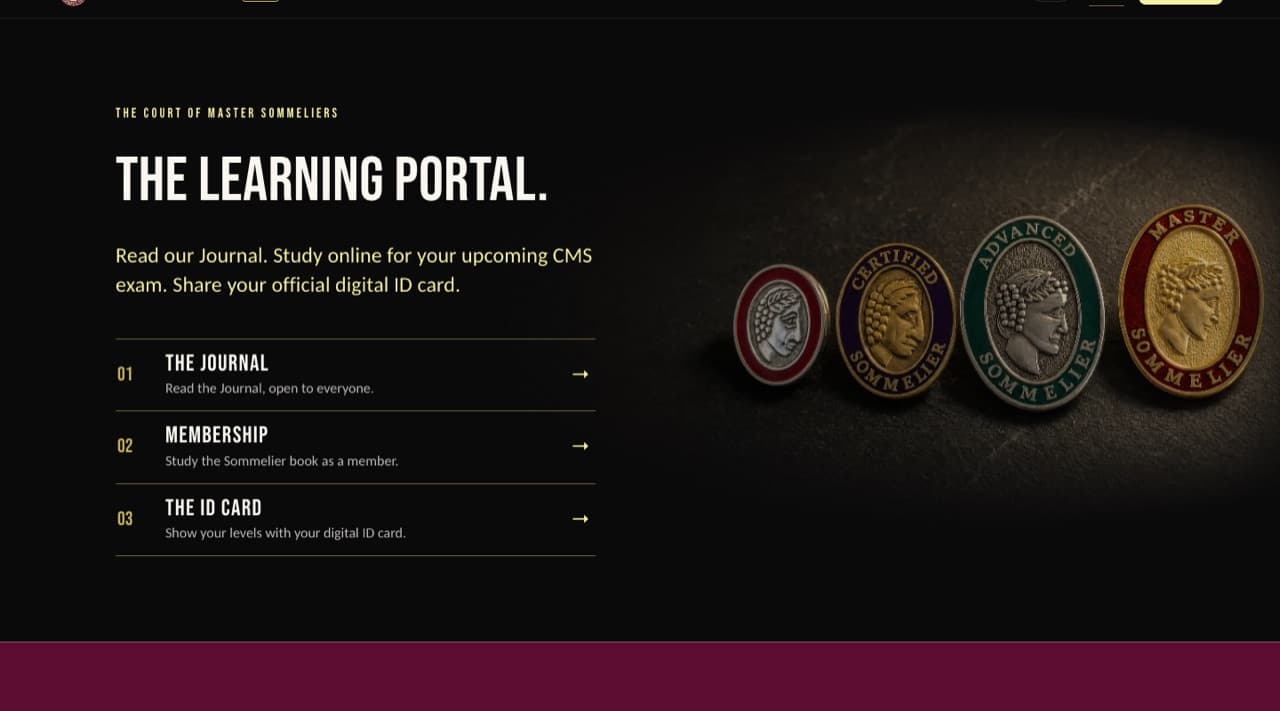
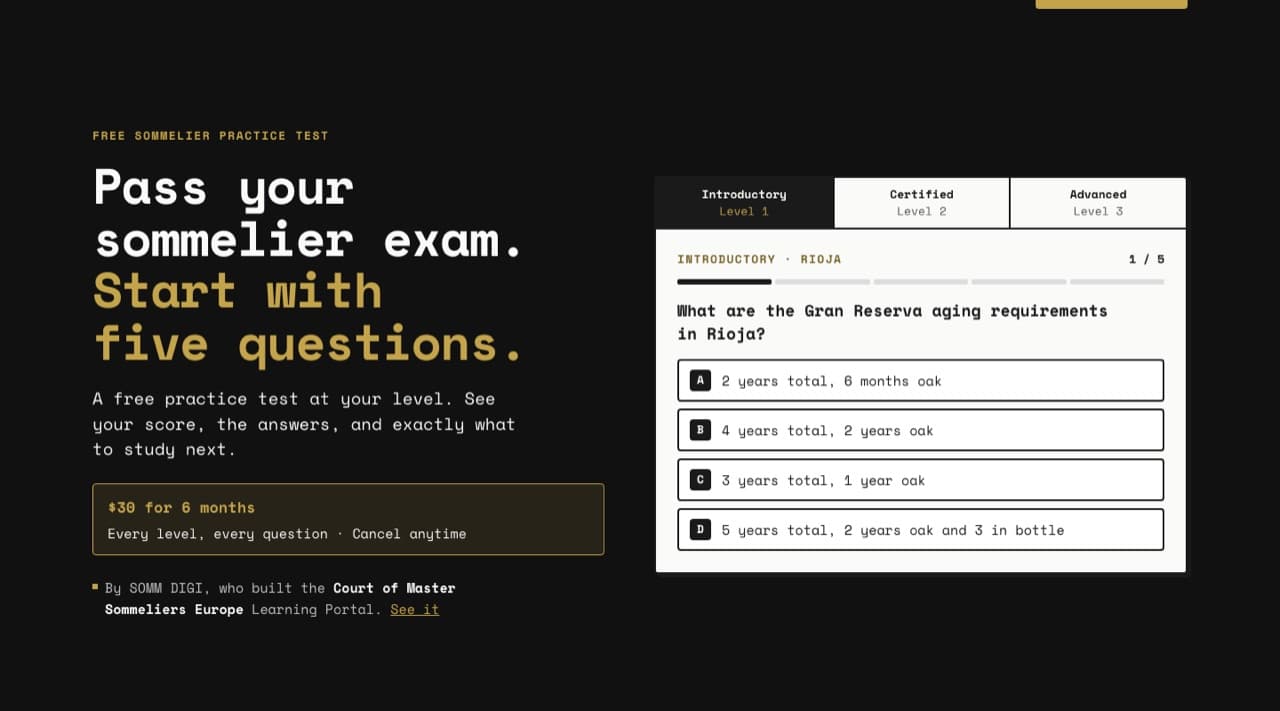
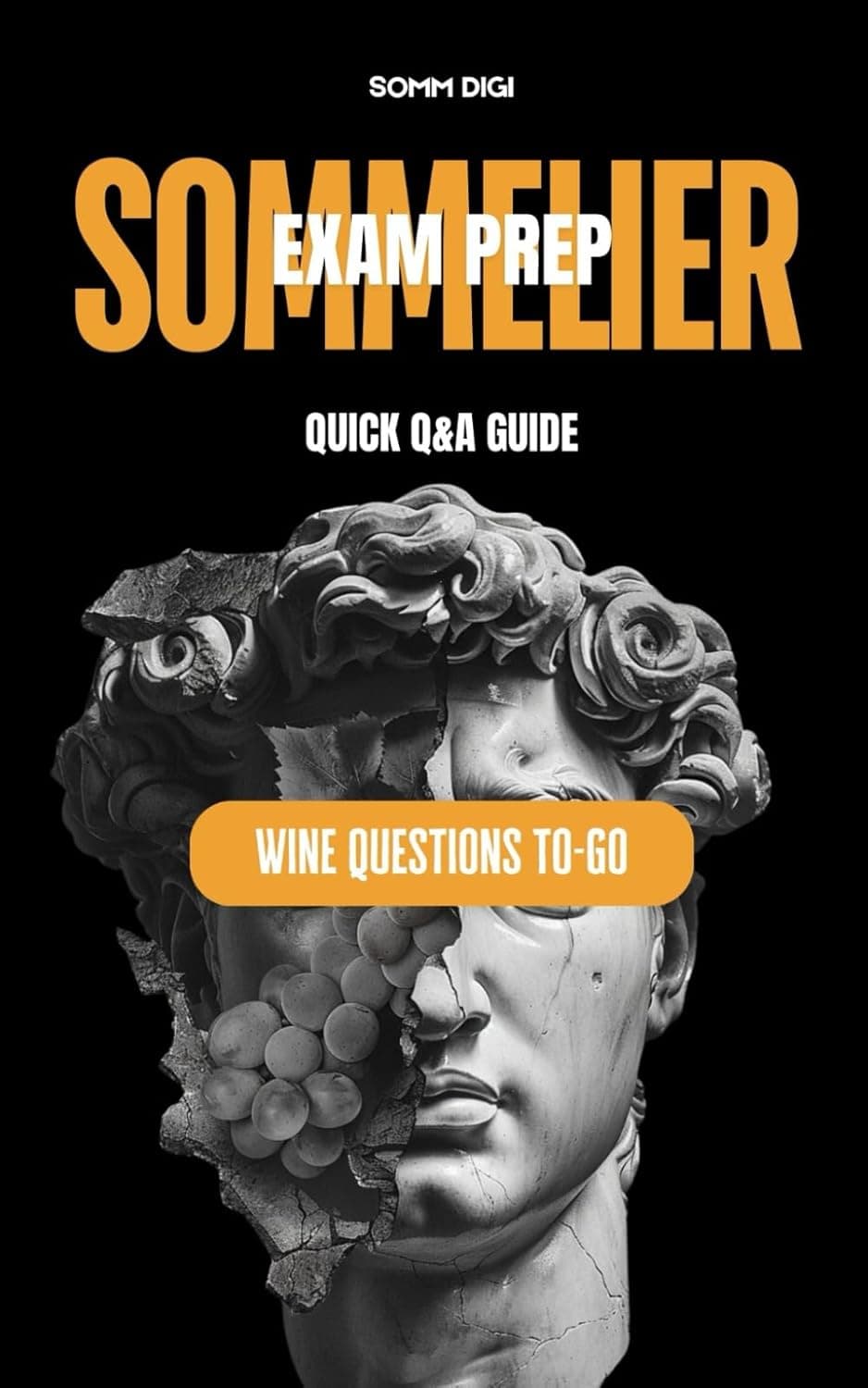 My book · AmazonSommelier Prep BookQuick questions and answers for a break at work.Order on Amazon
 My book · AmazonSommelier Level 1 Prep BookLevel 1's key topics in one small book you can carry anywhere.Order on Amazon
SOMM DIGI built the Court of Master Sommeliers Europe’s Learning Portal, and SOMM DIGI AI. Who is behind this
For sommeliers · next steps