
Study and careerFood & wine pairing
Food and wine pairing for the Level 1 sommelier exam
How salt, acid, sweetness, fat, heat and umami change a wine, the hard pairings the Court names, classic matches to learn, and how to explain your choice, with a quiz.

Alper Billik · Advanced Sommelier
Updated October 2026 · 5 min read · Edited with AI
This article may contain affiliate links.
On this page
The short answer: for Level 1, pairing is about structure first, flavour second. Match the weight of the wine to the dish, then check how the food's salt, acid, sugar, fat, heat and umami will change the wine. Learn the hard pairings the Court names (vinegar, chilli, chocolate and caramel), a handful of classics, and be able to say why in one sentence.
1. The two ways to pair
- Complement: echo the dish. A buttery, oaked Chardonnay with lobster in butter; an earthy Pinot Noir with mushrooms.
- Contrast: balance it. A high-acid Sauvignon Blanc cuts through rich goat's cheese; a sweet Sauternes against salty blue cheese.
- Regional: what grows together goes together. Chianti with tomato and pasta; Muscadet with oysters; Sancerre with Crottin de Chavignol.
2. How food changes wine
| In the food | What it does to the wine | So choose |
|---|---|---|
| Salt | Softens bitterness and tannin, makes wine taste fuller | High acid, sparkling, or a sweet wine for contrast |
| Acid | Makes wine taste less sour, flatter if the wine is low in acid | A wine at least as acidic as the dish |
| Sweetness | Makes dry wine taste thin, sour and bitter | A wine sweeter than the dish |
| Fat and oil | Coats the palate; acid and tannin cut through it | High acid, or tannin with red meat |
| Chilli heat | Makes alcohol burn and tannin harsher | Low alcohol, little tannin, a touch of sweetness |
| Umami | Makes wine taste more bitter, tannic and acidic | Low-tannin, fruity wines; add salt or acid to the dish |
- Salt
- What it does to the wineSoftens bitterness and tannin, makes wine taste fuller
- So chooseHigh acid, sparkling, or a sweet wine for contrast
- Acid
- What it does to the wineMakes wine taste less sour, flatter if the wine is low in acid
- So chooseA wine at least as acidic as the dish
- Sweetness
- What it does to the wineMakes dry wine taste thin, sour and bitter
- So chooseA wine sweeter than the dish
- Fat and oil
- What it does to the wineCoats the palate; acid and tannin cut through it
- So chooseHigh acid, or tannin with red meat
- Chilli heat
- What it does to the wineMakes alcohol burn and tannin harsher
- So chooseLow alcohol, little tannin, a touch of sweetness
- Umami
- What it does to the wineMakes wine taste more bitter, tannic and acidic
- So chooseLow-tannin, fruity wines; add salt or acid to the dish
3. How wine changes food
- Acidity: refreshes the palate and lifts fatty or fried food, as lemon would.
- Tannin: binds with protein and fat, so it softens with red meat and grips with fish, which can taste metallic with tannic reds.
- Sweetness: balances salt and heat, and must at least match the sweetness of a dessert.
- Body and alcohol: light dishes need light wines; rich dishes can take fuller wines. High alcohol fights chilli.
- Oak and malolactic: man-made effects the syllabus names. Oak adds toast, vanilla and weight for grilled and smoky food; malolactic fermentation turns sharp malic acid into softer lactic acid and can add a buttery note, good with cream and butter sauces.
4. Cooking and strong flavours
- Cooking method matters: poached and steamed food is delicate; grilling, roasting and searing add caramelised, smoky flavours that can take more oak and body. The same chicken poached suits a light white; roasted, it can take a fuller white or a light red.
- Pair the sauce, not just the protein: chicken in cream wants Chardonnay; chicken in red wine sauce wants a red.
- Strong flavours win: garlic, herbs, smoke, spice and pungent cheese need a wine with enough intensity of its own, or they will flatten it.
5. The difficult pairings
| Problem | Why it's hard | What works |
|---|---|---|
| Vinegar | Its acid makes most wines taste flat | High-acid whites or sparkling; or soften the dressing |
| Chilli | Burns with alcohol, roughens tannin | Off-dry Riesling or Gewürztraminer, low alcohol |
| Chocolate | Sweet, bitter and coating | Sweet fortified wine: Ruby Port, Banyuls, Maury |
| Caramel | Very sweet, toasty | Sweeter, nutty wines: Tawny Port, sweet Madeira, Tokaji |
| Artichoke and asparagus | Make wine taste sweet or metallic | Crisp, unoaked whites: Sauvignon Blanc, Grüner Veltliner |
| Eggs | Coat the palate | Sparkling wine or a crisp white |
- Vinegar
- Why it's hardIts acid makes most wines taste flat
- What worksHigh-acid whites or sparkling; or soften the dressing
- Chilli
- Why it's hardBurns with alcohol, roughens tannin
- What worksOff-dry Riesling or Gewürztraminer, low alcohol
- Chocolate
- Why it's hardSweet, bitter and coating
- What worksSweet fortified wine: Ruby Port, Banyuls, Maury
- Caramel
- Why it's hardVery sweet, toasty
- What worksSweeter, nutty wines: Tawny Port, sweet Madeira, Tokaji
- Artichoke and asparagus
- Why it's hardMake wine taste sweet or metallic
- What worksCrisp, unoaked whites: Sauvignon Blanc, Grüner Veltliner
- Eggs
- Why it's hardCoat the palate
- What worksSparkling wine or a crisp white
The syllabus also asks for alternative beverages: when wine struggles, a beer, a cider or a sake can be the better answer, and saying so is good service.
6. Classic pairings to learn
| Wine | Classic dishes |
|---|---|
| Cabernet Sauvignon | Grilled steak, lamb, hard cheese |
| Pinot Noir | Duck, salmon, mushroom dishes |
| Syrah | Barbecue, game, peppery sausages |
| Chardonnay (oaked) | Lobster, roast chicken, creamy pasta |
| Sauvignon Blanc | Goat's cheese, green salads, shellfish |
| Riesling (off-dry) | Spicy Asian dishes, pork, apple desserts |
| Champagne | Oysters, fried food, salty snacks, caviar |
| Sauternes | Foie gras, blue cheese, fruit tarts |
| Vintage or Ruby Port | Stilton, dark chocolate |
| Dry rosé | Charcuterie, grilled vegetables, salads |
- Cabernet Sauvignon
- Classic dishesGrilled steak, lamb, hard cheese
- Pinot Noir
- Classic dishesDuck, salmon, mushroom dishes
- Syrah
- Classic dishesBarbecue, game, peppery sausages
- Chardonnay (oaked)
- Classic dishesLobster, roast chicken, creamy pasta
- Sauvignon Blanc
- Classic dishesGoat's cheese, green salads, shellfish
- Riesling (off-dry)
- Classic dishesSpicy Asian dishes, pork, apple desserts
- Champagne
- Classic dishesOysters, fried food, salty snacks, caviar
- Sauternes
- Classic dishesFoie gras, blue cheese, fruit tarts
- Vintage or Ruby Port
- Classic dishesStilton, dark chocolate
- Dry rosé
- Classic dishesCharcuterie, grilled vegetables, salads
7. How to explain a pairing
The syllabus asks you to match a wine to a dish and give reasons. Use one sentence with three parts: wine, structure, effect. For example: "Sancerre with goat's cheese, because its high acidity cuts the richness and its citrus and herbs echo the cheese." Then offer an alternative: "or a dry Chenin Blanc from Vouvray."
Quick quiz: pairing for Level 1
Level 1 practice test
Take it as a real test
7 questions, one at a time. The answer and why after each one, then your score and your weakest topics.
Question 1
A dish is sweeter than the wine. What happens to the wine?
- a)It tastes sweeter
- b)It tastes thinner and more sour
- c)Nothing
- d)It tastes more alcoholic
Show answerAnswer
b) It tastes thinner and more sour. Sugar in food makes dry wine seem thin, sour and bitter.
Question 2
Which wine suits a spicy Thai curry best?
- a)Barolo
- b)Off-dry Riesling
- c)Amarone
- d)Oaked Napa Cabernet
Show answerAnswer
b) Off-dry Riesling. Low alcohol and a little sweetness calm chilli heat.
Question 3
Why does tannic red wine work with steak?
- a)Tannin binds with protein and fat
- b)Tannin adds sweetness
- c)Steak adds acidity
- d)It doesn't
Show answerAnswer
a) Tannin binds with protein and fat. Protein and fat soften the tannin, and the tannin cuts the richness.
Question 4
Which pairing is regional?
- a)Chianti with tomato pasta
- b)Sauternes with crème brûlée
- c)Riesling with curry
- d)Port with chocolate
Show answerAnswer
a) Chianti with tomato pasta. Both from Tuscany and Italy: what grows together goes together.
Question 5
Which wine works best with dark chocolate?
- a)Muscadet
- b)Ruby Port
- c)Sauvignon Blanc
- d)Brut Champagne
Show answerAnswer
b) Ruby Port. A sweet fortified red stands up to sweetness and bitterness.
Question 6
What does malolactic fermentation do?
- a)Adds sugar
- b)Turns malic acid into softer lactic acid
- c)Adds tannin
- d)Raises alcohol
Show answerAnswer
b) Turns malic acid into softer lactic acid. Softer acid, often a buttery note: good with cream sauces.
Question 7
Umami-rich food, such as mushrooms, can make a wine taste...
- a)Sweeter and softer
- b)More bitter and tannic
- c)More fruity
- d)Lower in alcohol
Show answerAnswer
b) More bitter and tannic. So choose low-tannin, fruity wines with umami.
Going further? Read food and wine pairing for CMS exams, then take my Level 1 practice test. For a pairing tonight, ask SOMM DIGI AI.
Questions people ask
What is the most important rule of food and wine pairing?
Match the weight and intensity of the wine to the dish, then make sure the wine is at least as acidic and as sweet as the food.
Which foods are hardest to pair with wine?
The Court names vinegar, chilli, chocolate and caramel. Artichokes, asparagus and eggs are also tricky.
What wine goes with spicy food?
Low-alcohol, low-tannin wines with a little sweetness, such as off-dry Riesling or Gewürztraminer.
Is food and wine pairing on the Level 1 exam?
Yes. The Court of Master Sommeliers' 2026/27 syllabus lists the basics and principles of pairing, difficult pairings and matching wines to dishes with reasons.
Your exam kit
Where to study for your exam
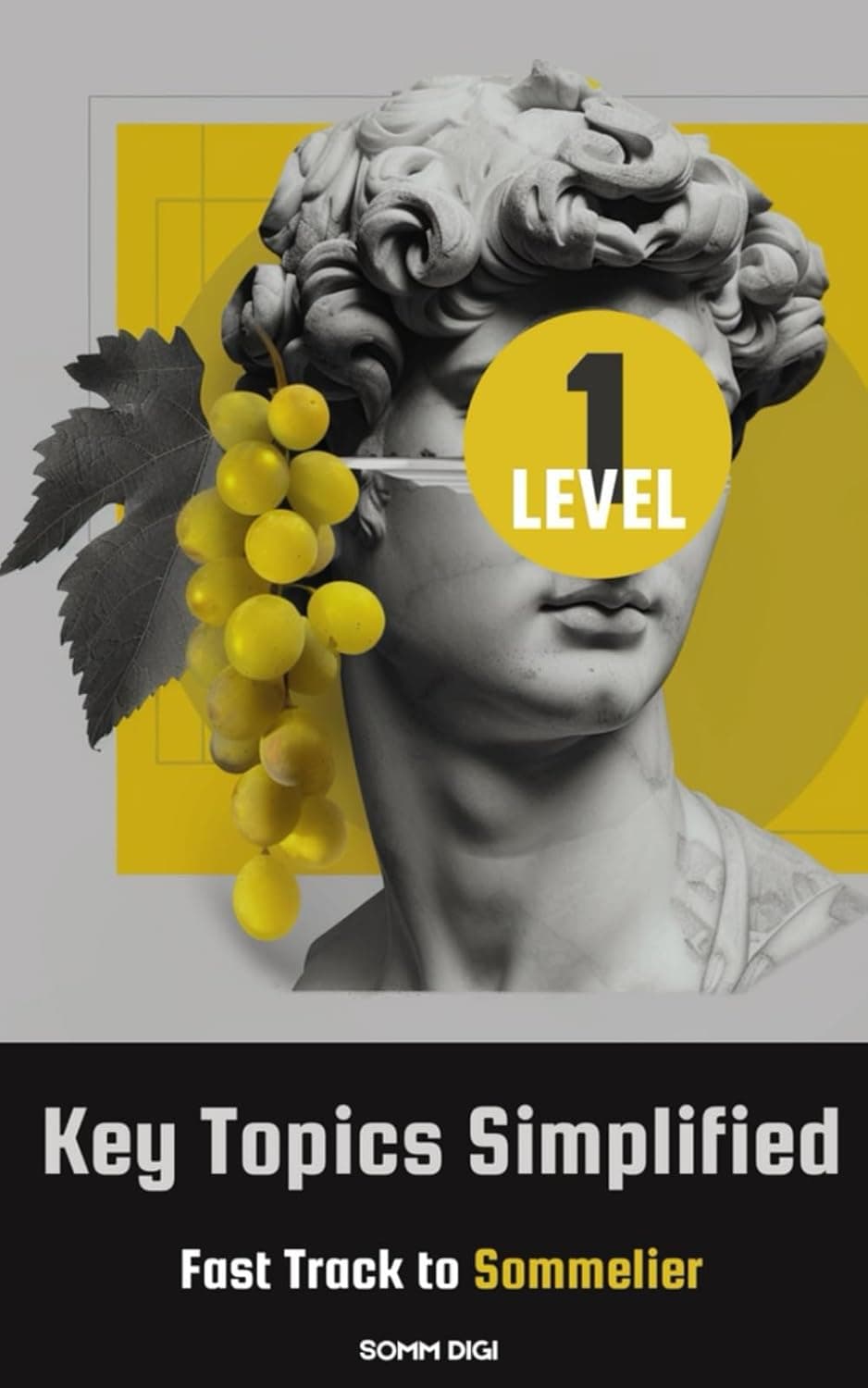 My book · AmazonSommelier Level 1 Prep BookLevel 1's key topics in one small book you can carry anywhere.Order on Amazon
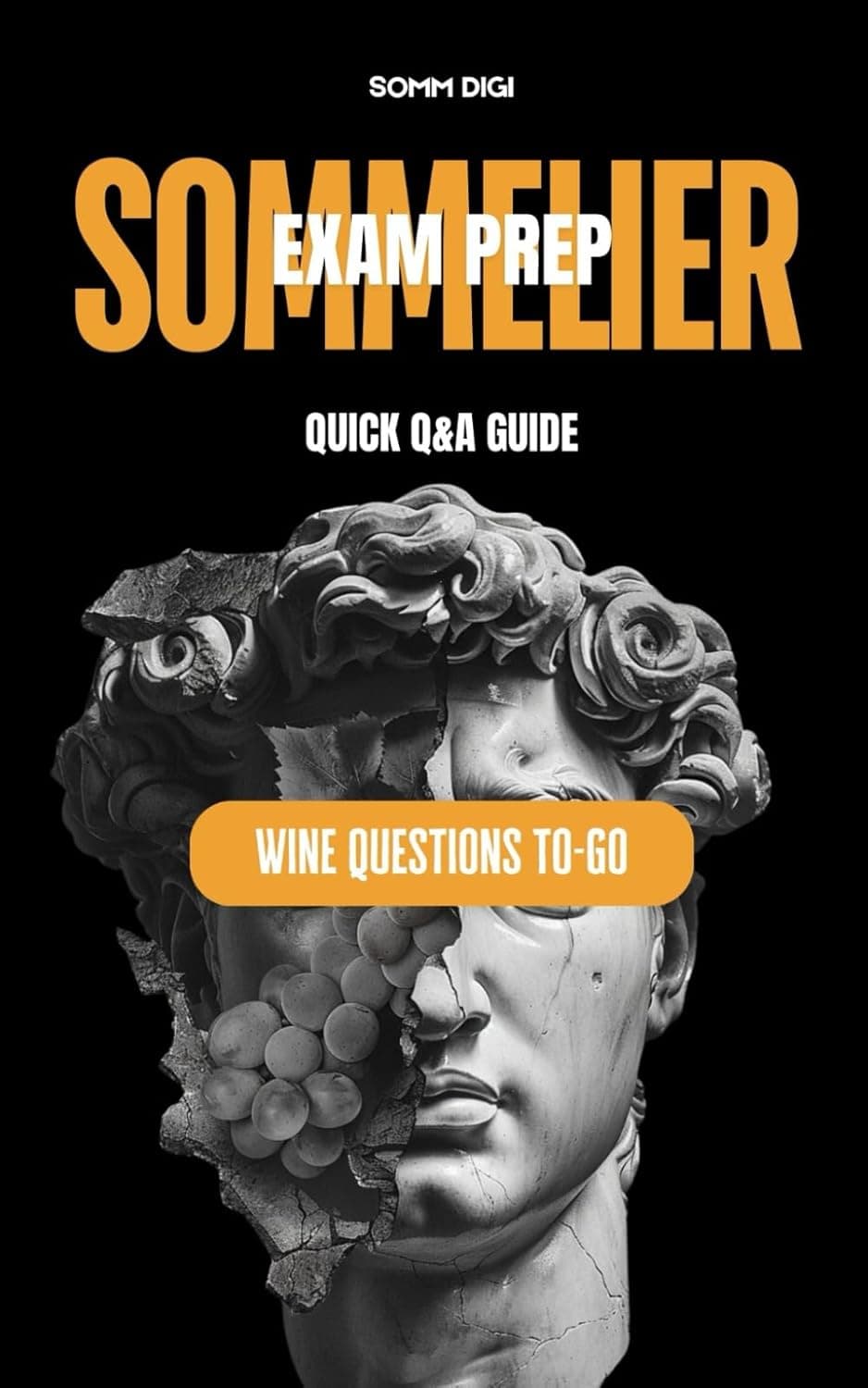 My book · AmazonSommelier Prep BookQuick questions and answers for a break at work.Order on Amazon
SOMM DIGI built the Court of Master Sommeliers Europe’s Learning Portal, and SOMM DIGI AI. Who is behind this
For sommeliers · next steps